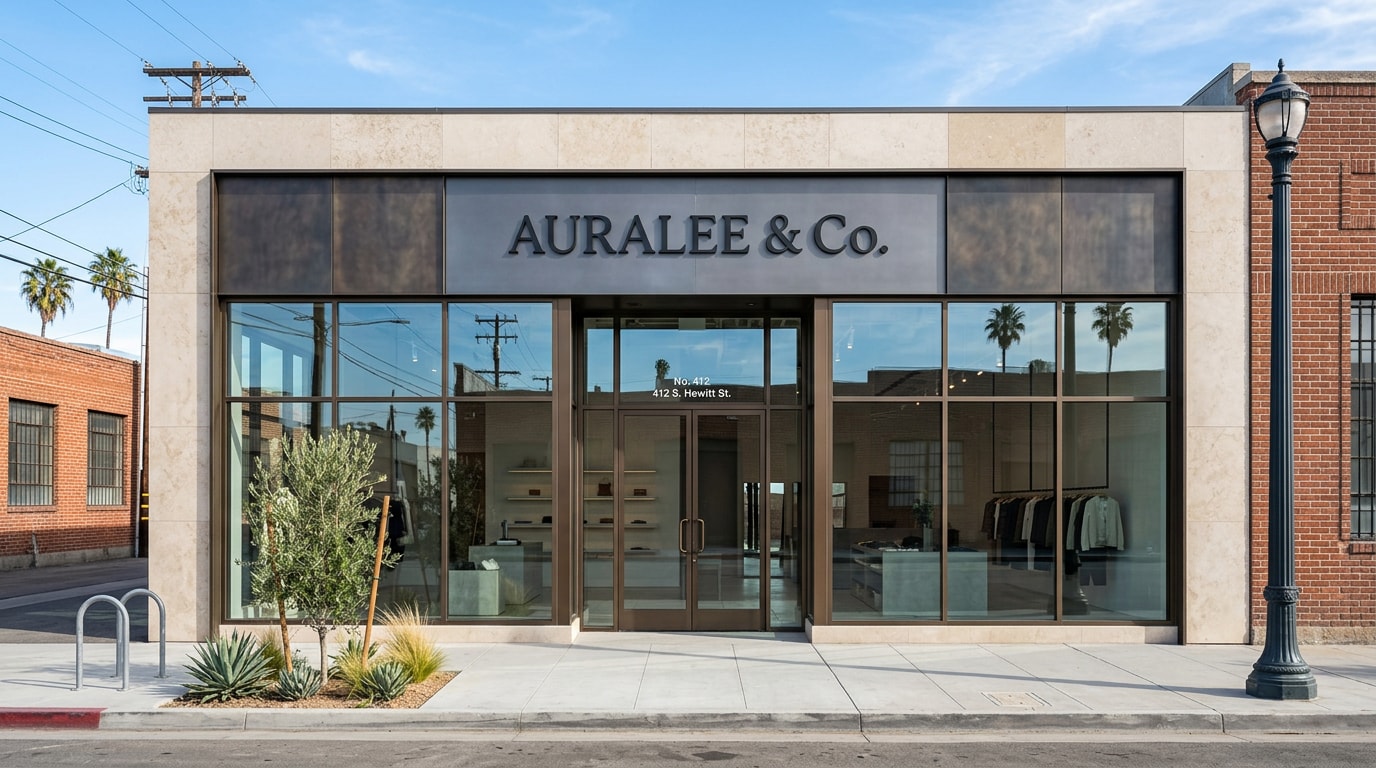
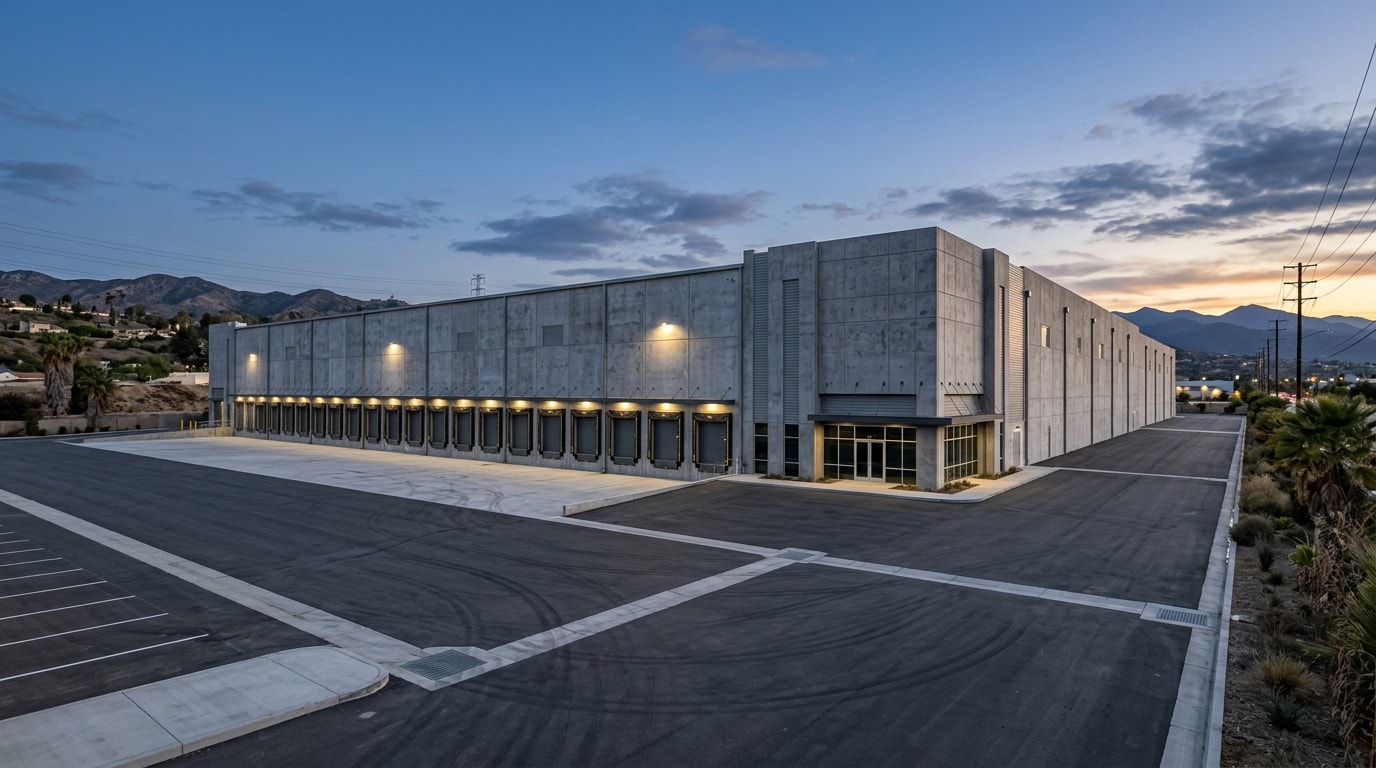
The top industrial contractor Burbank, Glendale & The Valley business owners actually recommend is the one that shows up with licensing, local code knowledge, and a real track record, not just glossy photos. When a warehouse needs more clear height, a manufacturer needs a new production line, or a logistics company is breaking ground on a new facility, the contractor chosen determines everything that follows. This guide breaks down what industrial contractors handle, how project types compare, and what to ask before signing a contract.
What Makes a Top Industrial Contractor in Burbank, Glendale & The Valley
Choosing the right contractor comes down to four things: verified experience, a real project portfolio, active licensing, and the ability to manage multi-trade work without constant change orders. A contractor who communicates clearly and sets realistic timelines up front saves owners more money than the lowest bid ever will.
Locally, that means familiarity with more than one building department. Burbank and Glendale each run permitting separately from the City of Los Angeles' LADBS, and seismic retrofit rules can vary by jurisdiction and building age. Anyone hoping to hire the top industrial contractor for Burbank, Glendale, or the wider Valley should confirm licensing and field experience specific to industrial occupancy classifications, not just general commercial work.
In California, that licensing detail matters more than most owners realize. Industrial contractors typically fall under General Engineering Contractor, General Building Contractor, or Specialty Contractor classifications , and a firm handling tilt-up warehouses or dock equipment should hold the classification that actually matches the scope of work, not just a general B license carried over from residential jobs.
On our own projects across this corridor, the recurring bottleneck has rarely been construction itself. It is almost always permitting, especially when a building's seismic retrofit history triggers extra plan-check review. Owners who bring that history to the table on day one move through entitlements faster than those who don't.
Ready to compare quotes? Get a Free Estimate from our team before you commit to a bid.
Industrial Contractor Services Across Burbank, Glendale & The Valley
Industrial construction covers the design and construction of buildings built for function rather than public display: warehouses, manufacturing plants, cold storage facilities, and distribution centers. Unlike office or retail projects, industrial construction prioritizes structural capacity, clear height, loading access, and code compliance for equipment and workflow over interior finish.
A licensed industrial contractor handling this scope typically also offers ground-up construction, renovation, and tenant improvement services, since industrial clients often need all three across a building's life cycle. Not every commercial builder has deep experience with tilt-up panels, dock equipment, or heavy power distribution, so that history is worth asking about directly.
The right approach depends heavily on building type. Here's how common industrial subtypes compare for projects across the San Fernando Valley:
| Building Type | Typical Use Case | Key Construction Considerations |
|---|---|---|
| Tilt-up warehouse | Distribution, e-commerce fulfillment | Large concrete panels, high clear-height, dock doors |
| Cold storage / food processing | Food and beverage distribution | Insulated envelope, refrigeration systems, sanitation-ready finishes |
| Manufacturing / flex space | Light assembly, R&D, hybrid office-industrial | Power capacity, ventilation, flexible layouts |
| Logistics / distribution center | Regional shipping hubs | Truck court design, trailer parking, conveyor integration |
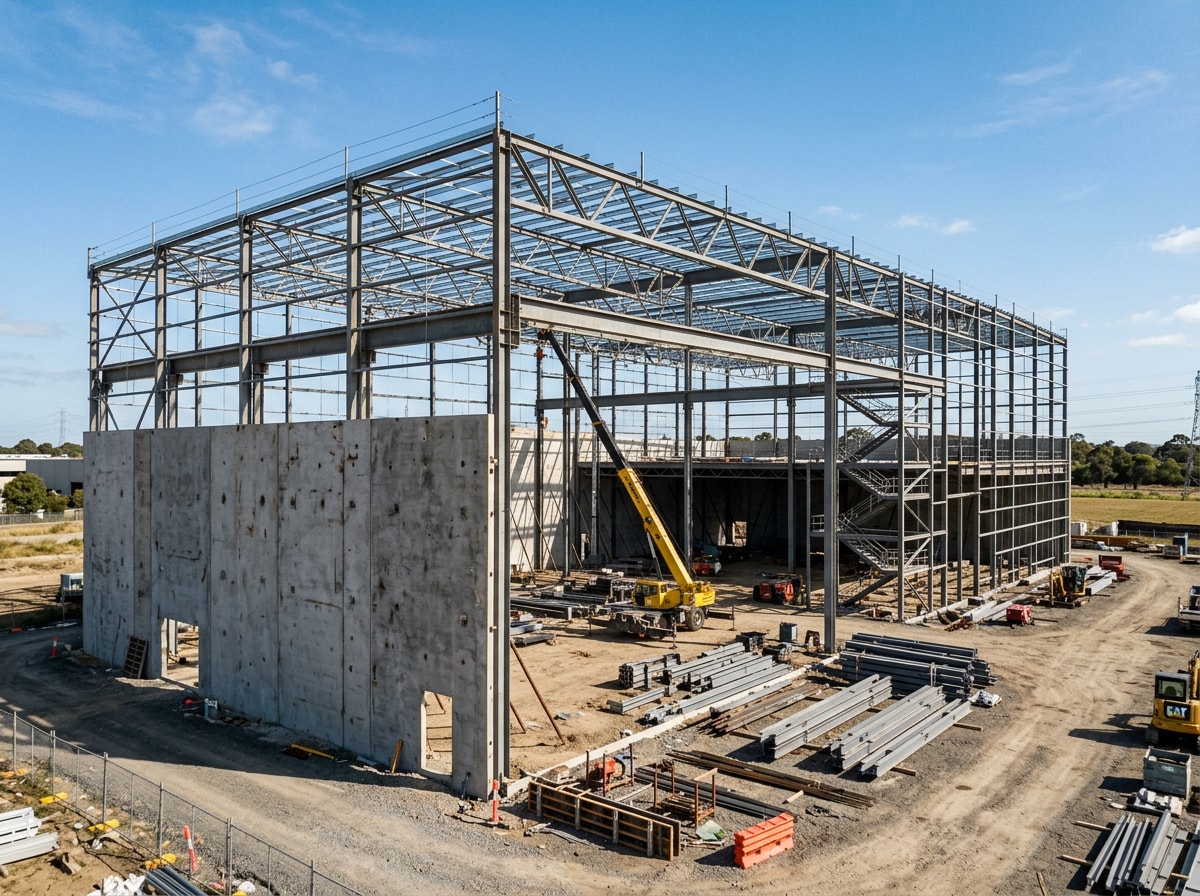
Safety and structural requirements for industrial facilities also fall under federal guidance. OSHA's 29 CFR 1910 sets the occupational safety and health standards that apply to most non-construction workplaces, defining baseline requirements for controlling hazards, training employees, and maintaining safe operations , and any contractor bidding industrial work should be building that compliance into the schedule from day one, not bolting it on after inspection.
We also work in Valley communities adjacent to this corridor, including Woodland Hills, Tarzana, and Canoga Park. If your facility sits closer to one of those areas, our projects page has examples of completed work nearby.
Ground-Up Commercial Construction
Ground-up commercial construction starts with a vacant lot or cleared site and ends with a fully permitted, occupancy-ready building. The scope includes site work, foundations, structural framing, mechanical and electrical systems, the exterior envelope, and interior finishes: essentially every phase from dirt to done.
This differs sharply from renovation or tenant improvement work, where most of the structure already exists. Ground-up projects carry longer timelines and more upfront design decisions, but they give owners full control over layout and site circulation from day one, an advantage for industrial clients who need specific dock configurations or truck turning radii an existing building simply can't offer.
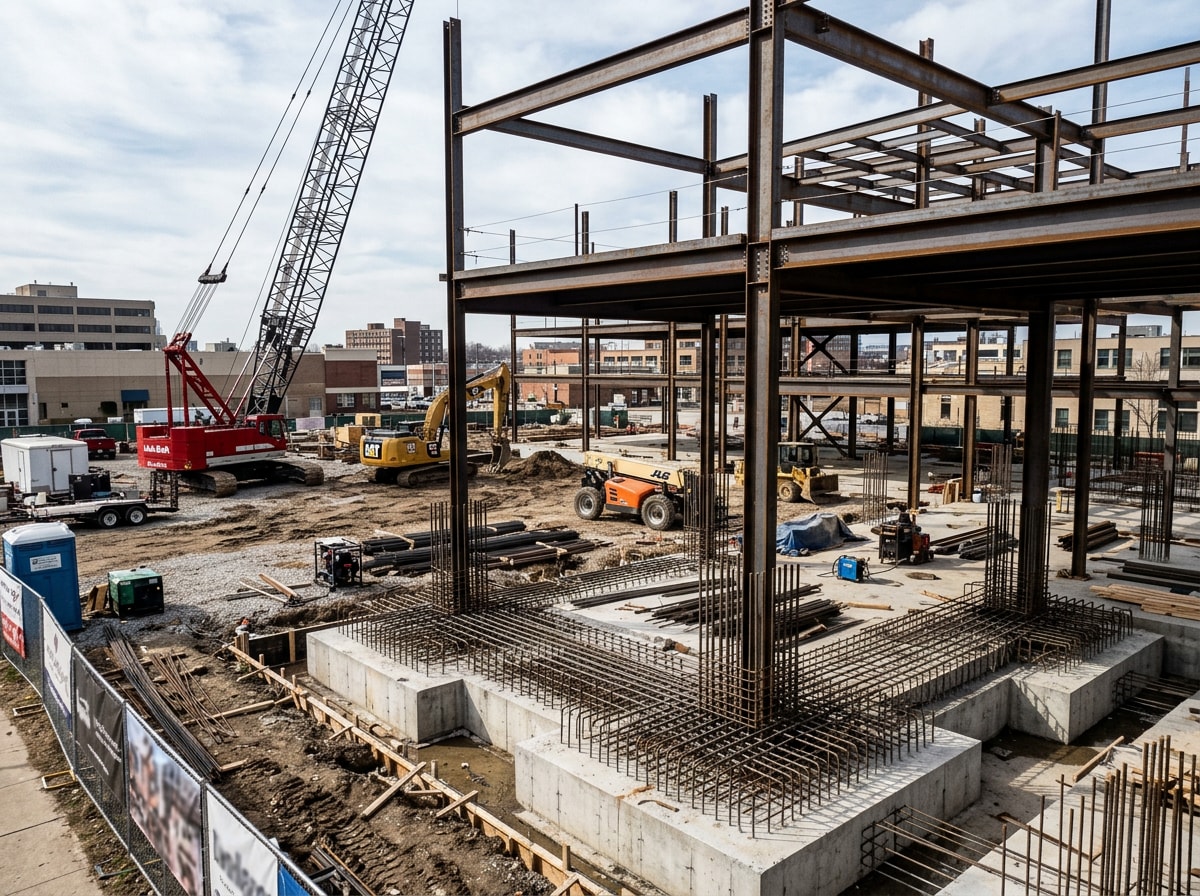
If your next project is a warehouse rather than an office or retail build, our post on hiring a warehouse general contractor in Malibu and the South Bay covers questions that apply just as much here in the Valley.
Commercial Renovation Services
Commercial renovation services update, expand, or repurpose an existing building rather than starting from scratch. In an expensive, actively redeveloping market like Los Angeles County, renovation frequently makes more financial sense than ground-up construction. Permitting often moves faster, and reusing an existing structure can cost less than new site work and foundations.
Around Burbank and Glendale, this usually looks like repositioning an older industrial or office building for a new tenant: updating electrical service, replacing an aging roof, or reconfiguring a warehouse floor plan to support current logistics equipment.
Tenant Improvement (TI) Construction
Tenant improvement, or TI, construction is the most common type of commercial build-out in Los Angeles County. A business leases a space and needs it finished to fit its operations. TI work requires detailed planning, strict code compliance, and efficient scheduling, since most tenants are paying rent on a space they can't yet use.
Office and retail TI usually focuses on layout, finishes, and life-safety systems. Industrial and warehouse build-outs work differently: dock door placement, clear-height requirements, mezzanine additions, and equipment power upgrades take priority over cosmetic finish.
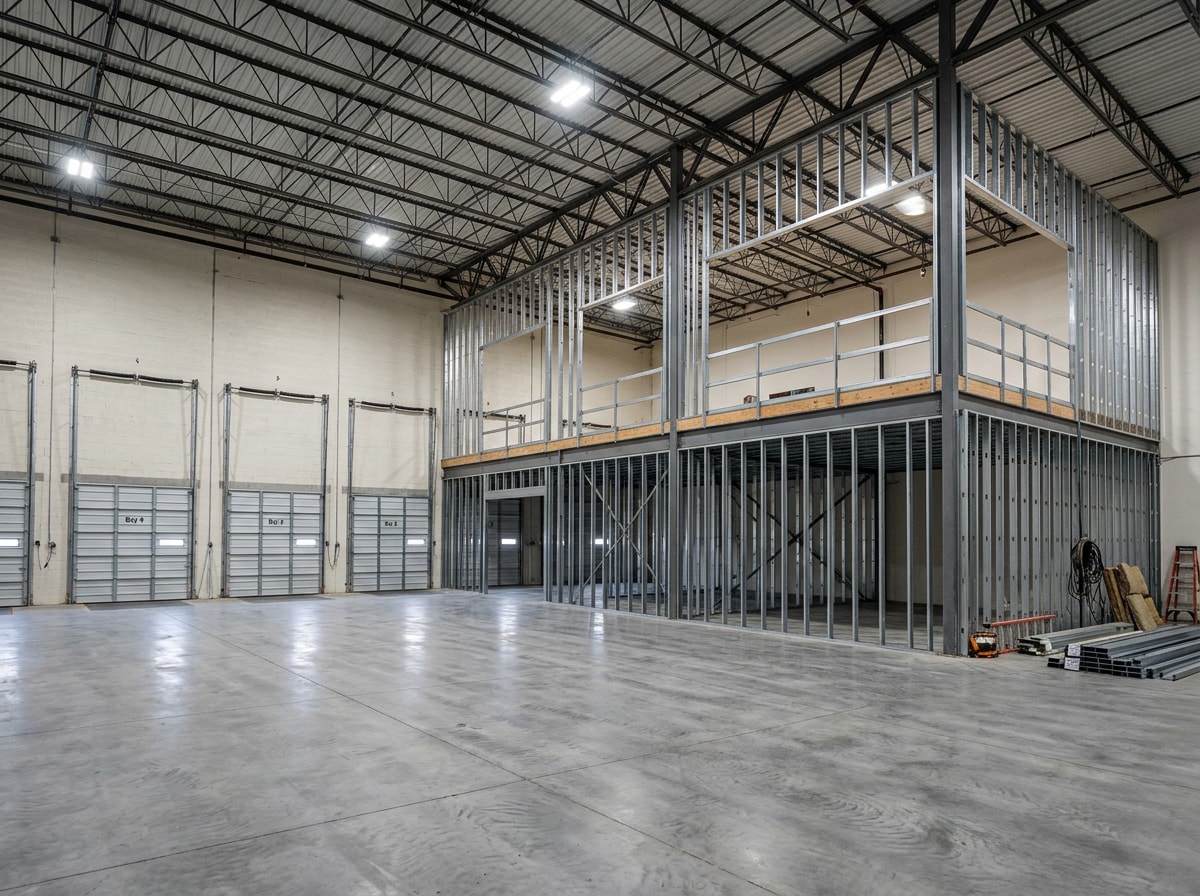
Energy-compliance requirements for most TI projects fall under California's building energy code. The Building Energy Efficiency Standards serve to reduce wasteful, uneconomical, and unnecessary uses of energy for the state, and they include requirements in the Energy Code (Title 24, Part 6) and voluntary energy efficiency provisions in CALGreen . A licensed contractor should already be building those provisions into project scope rather than leaving them for a plan-check surprise.
Design-Build Commercial Construction
Design-build is a turnkey delivery model where one contractor handles site selection, architecture, permitting, and construction under a single point of responsibility. Instead of hiring an architect and contractor separately, the client signs one contract and works with one team from concept through completion.
For commercial and industrial clients alike, the practical benefit is fewer handoffs and fewer disputes over who owns a delay. Design-build schedules also tend to compress, since permitting and construction planning happen in parallel instead of in sequence.
Questions to Ask Before You Hire
Before signing a contract, get straight answers to these:
- What CSLB classification does the contractor hold, and does it match the scope (general building, engineering, or a relevant specialty)?
- How many industrial or warehouse projects has the firm completed in the last three years, not just commercial work in general?
- Which building departments has the team worked with directly, Burbank, Glendale, or LADBS?
- What's the change-order history on past projects of similar size?
- Can they provide references from owners with comparable facility types?
You can verify a firm's active license and standing directly through the California Contractors State License Board 's public classification records at cslb.ca.gov. It takes five minutes and removes any guesswork before you sign.
Ready to start? Get a Free Estimate and we'll walk through your project scope, timeline, and budget together. You can also browse our homepage for an overview of our full service lineup.
FAQ
How Do You Navigate the Complex Permitting Process in Los Angeles?
Permitting across Los Angeles County can move slowly due to overlapping zoning codes, environmental review, and city-specific requirements. An experienced contractor already has working relationships with plan checkers and building officials, which keeps applications moving and avoids delays that catch first-time applicants off guard. Burbank and Glendale each maintain departments separate from LADBS, so local familiarity matters as much as general permitting experience.
Can You Help With Tenant Improvement (TI) Projects in High-Traffic Areas?
Yes. TI specialists regularly build out spaces in busy commercial corridors, downtown Burbank, the Brand Boulevard area in Glendale, or Ventura Boulevard through the Valley, without disrupting neighboring businesses. That means coordinating deliveries, noise restrictions, and parking access alongside construction, often outside standard business hours when a tenant needs minimal disruption.
What Industries Do You Work With in Los Angeles?
Industrial and commercial contractors in this region typically serve retail, warehouse and logistics, light manufacturing, food and beverage, and other regulated facility types. Specialized experience matters most in regulated environments, where equipment loads, ventilation, and safety compliance carry real consequences if a contractor gets them wrong.
What's the Timeline for Completing a Commercial Build or Renovation?
Timelines depend entirely on scope. A modest renovation or TI project might take a few weeks to a couple of months, while a ground-up industrial building can take six months to a year or more. Permitting delays, inspection scheduling, and material availability all affect the final schedule, so any estimate should come with a range rather than a fixed date.
What Is the Difference Between a Commercial and an Industrial Contractor?
A commercial contractor builds public-facing spaces like offices and retail stores, prioritizing appearance and customer experience. An industrial contractor builds for function, including warehouses, manufacturing plants, and distribution centers, prioritizing structural capacity, workflow efficiency, and safety compliance over aesthetics. Many projects need both skill sets, which is why some firms specialize in serving each market.
What License Should an Industrial Contractor in California Hold?
Most industrial general contractors hold a General Engineering or General Building classification , and firms handling specialty scopes like welding, concrete, or mechanical systems may also carry a matching C-classification. Confirm the classification matches your project type before signing, not after.