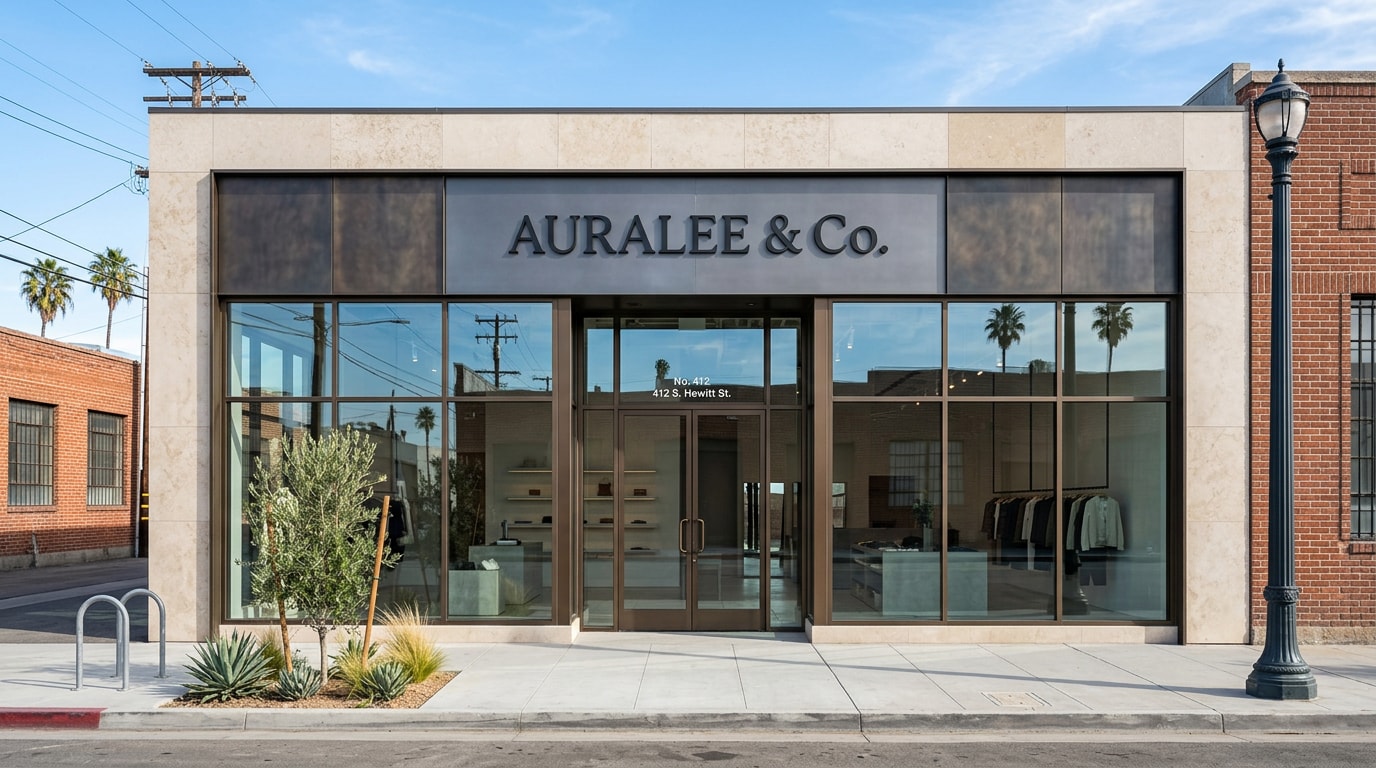
Retail general contractors in Los Angeles handle far more than storefront framing. They coordinate design, permitting, subcontractors, and code compliance on everything from a single boutique remodel to a multi-tenant shopping center. Get the cost ranges, timeline, and vetting checklist right before you sign a contract, and the rest of the project gets a lot easier.
What Does a Retail General Contractor Do?
A retail general contractor owns the project from first sketch to final walkthrough. Most firms manage new builds, remodels, and tenant improvements for convenience stores, grocers, shopping centers, and coffee shops, often alongside an attached restaurant space.
That overlap matters in LA specifically. Retail construction and food-service build-outs share so much scope, shared ADA path-of-travel, fire suppression, grease interceptors, ventilation, that a general contractor with only retail experience or only restaurant experience will miss things on a mixed-use lease space.
A true end-to-end retail contractor, sometimes marketed as design-build, owns every phase instead of handing the job off midway. That typically includes:
- Site analysis and conceptual planning
- Permitting and plan-check coordination with the city
- Construction management and subcontractor scheduling
- Punch-list and warranty support after opening day
Ask any prospective contractor which of those four stages they actually own versus subcontract out. Vague answers are a red flag.
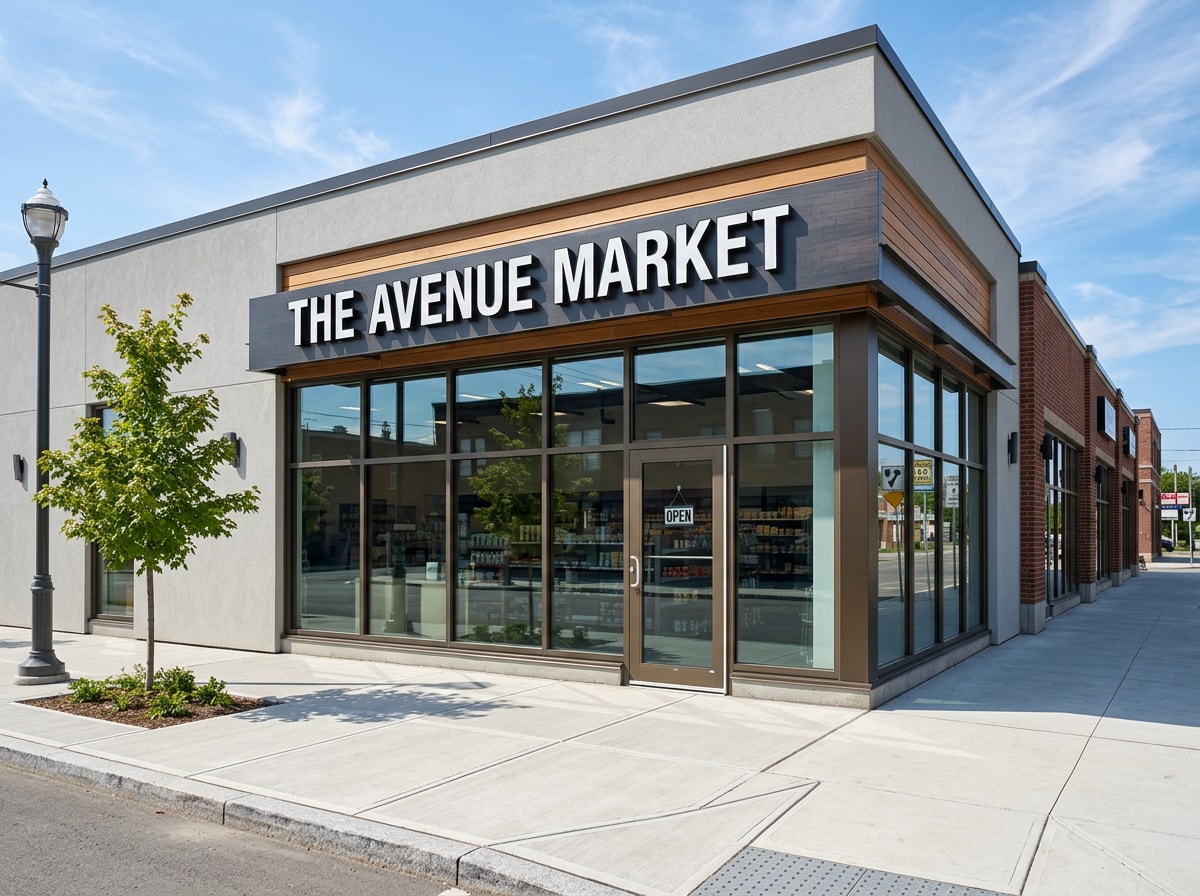
Retail Build-Out Costs in Los Angeles (2026)
Cost is the first question every retail tenant asks, and it's also the hardest to pin down without a site visit. Finish level, MEP scope, and whether you're doing a light refresh or a full shell-to-finish build all swing the number.
Here's a general planning-stage range, not a quote, to help you sanity-check bids:
| Project Type | Typical Range (per sq ft) | What Drives the Cost |
|---|---|---|
| Light retail refresh | $40–$90 | Paint, flooring, fixtures, no wall changes |
| Standard retail TI | $120–$220 | New partitions, lighting, storefront glazing, MEP updates |
| High-end retail build-out | $220–$400+ | Custom millwork, brand-specific finishes, full demo |
| Restaurant-anchored retail space | $250–$450+ | Kitchen equipment, hood/ventilation, grease systems, added ADA scope |
Fixtures, lighting packages, and storefront glazing typically drive more of the swing than the shell work itself. Get a project-specific site walk before you budget off any published range, including this one.
One number worth knowing before you talk to bidders: California's minor-work license exemption threshold moved from $500 to $1,000 under Assembly Bill 2622, effective January 1, 2025. That means almost any real retail build-out, which involves permits and hired labor by default, falls well outside the unlicensed-work exemption, according to the California Contractors State License Board's own bulletin on the change. Verify any bidder's license status before signing.
How Long Does Retail Construction Take in LA?
Every retail project moves through the same core phases: conceptual design, budgeting and value engineering, permitting, construction, and closeout. Permitting is where Los Angeles adds real time compared to smaller markets.
Los Angeles Department of Building and Safety (LADBS) reviews tenant improvement plans through its plan-check and electronic permitting system, and incomplete or non-compliant drawings trigger correction cycles that extend the timeline, as outlined on LADBS's official plan review and permitting page. Submitting a complete, code-compliant set the first time is one of the single biggest levers a contractor has over your opening date.
A mid-size retail TI realistically needs several months from permit submission to opening once design, plan check, construction, and inspections are all factored in. Ground-up builds and restaurant-anchored spaces with heavier MEP scope run longer.
Design, Budgeting & Value Engineering
This first phase sets the direction for everything downstream. Value engineering compares the design intent against a realistic construction budget early, so costly conflicts surface on paper instead of on the job site.
Tenant Improvement vs. Ground-Up Retail Construction
Two project types dominate retail construction requests in LA:
- Tenant improvement (TI): Work inside an existing shell, ranging from a light finish refresh to a full interior remodel.
- Ground-up build: New construction starting from a bare shell or raw land, with more structural and site-work scope.
TI work generally moves faster since less structural work is involved, but plan-check delays can stretch either timeline. Either way, store design matters: the space needs to be easy to navigate, spacious enough for merchandise, and welcoming to customers browsing the floor.
Restaurant-Anchored Retail: ADA and Health Code Compliance
Compliance work covers California health codes and federal accessibility rules, including accessible routes through food-prep and dining areas, ventilation, and fire prevention or suppression systems required under the 2010 ADA Standards for Accessible Design. Even a pure-retail tenant sharing a building with a restaurant often shares fire and life-safety systems and common ADA path-of-travel requirements, so this isn't purely a restaurant-tenant concern.
If you're specifically opening a food-service concept alongside retail, our companion guide on general contractor requirements for opening a restaurant in Los Angeles walks through permitting sequence and health-department sign-off in more depth.
Outdoor Retail & Restaurant Spaces: Patios, Pergolas & Exterior Finishes
Outdoor dining and outdoor retail display have become standard scope on LA leases, not an afterthought. We've built covered patio structures, privacy screening around loading and storage areas, and custom pergolas for retail courtyards across the San Fernando Valley, and the exterior scope is frequently underbid because it gets treated as an afterthought instead of its own trade package.
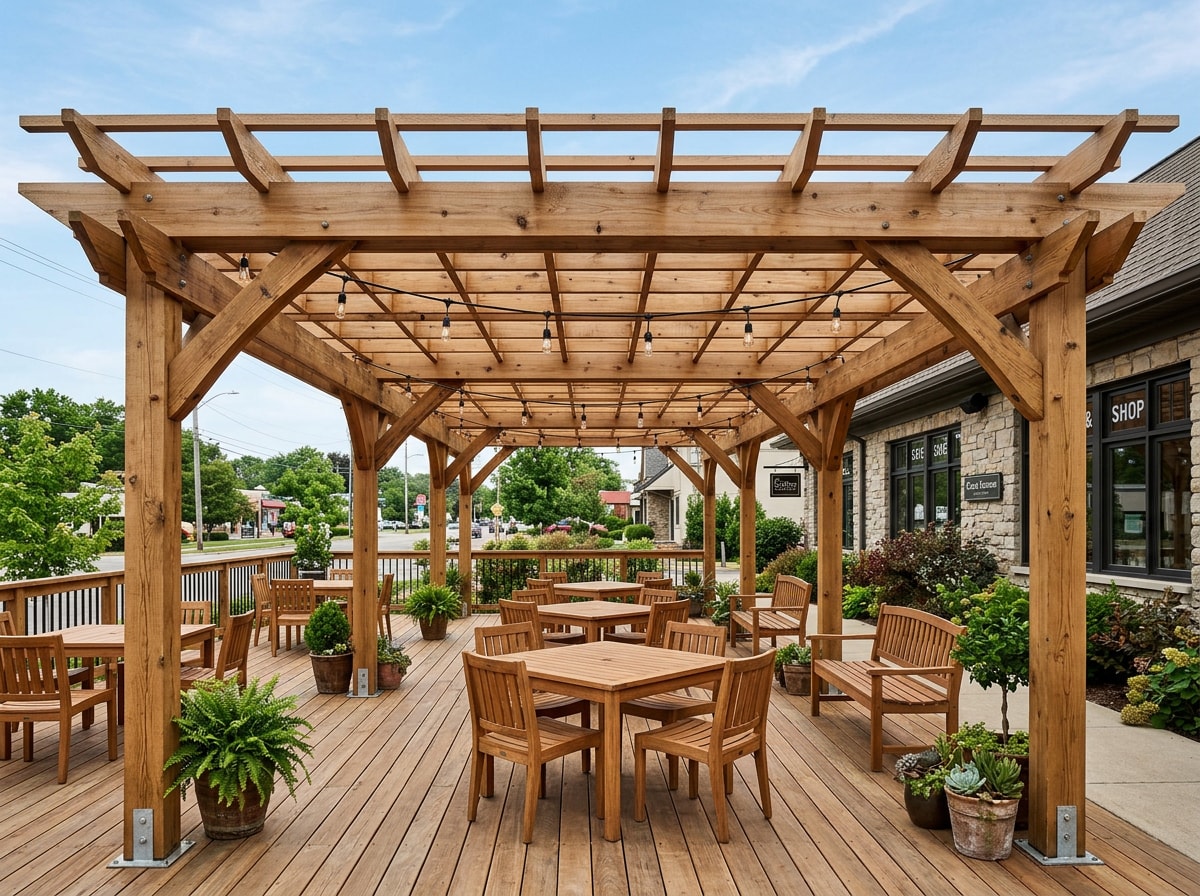
If your retail or restaurant build includes an outdoor component, it's worth scoping these separately:
- Custom Outdoor Structures for branded patio covers and display structures
- Pergola Installation for shaded outdoor seating
- Wood Patio Construction for durable outdoor dining surfaces
- Privacy Fence Construction for screening loading zones and back-of-house areas
- Exterior Woodworking for storefront trim, signage backing, and facade detail
How to Choose a Retail General Contractor in Los Angeles
Picking a retail contractor is one of the more consequential decisions in any commercial project. A poor fit shows up later as budget overruns or a missed grand-opening date.
- Confirm active CSLB license status before you sign anything.
- Ask whether they own all four project phases (design, permitting, construction, closeout) or hand off midway.
- Request references from recently completed retail or restaurant-anchored projects, ideally in LA specifically.
- Look for firms who understand local zoning, landlord requirements, and neighborhood-specific quirks while still holding to construction standards that hold up across markets.
- Check that exterior and outdoor scope, patios, fencing, structures, is planned from day one, not bid as an afterthought.
Request a free estimate once you've narrowed your shortlist to two or three licensed contractors, and compare scope line by line, not just the bottom-line number.
Service Areas
Coverage across the greater San Fernando Valley includes West Hills, Chatsworth, Woodland Hills, Canoga Park, Winnetka, and Tarzana, plus greater Los Angeles. Visit our homepage or browse completed projects before requesting a quote.
FAQ
What does a retail general contractor do?
A retail general contractor manages design coordination, subcontractor scheduling, permitting, and budget control for a retail build. They serve as the single point of accountability from groundbreaking through final walkthrough.
How much does a retail build-out cost in Los Angeles?
Costs vary widely by finish level and scope, but light refreshes typically start around $40 per square foot while high-end or restaurant-anchored build-outs can exceed $400 per square foot. Fixtures, lighting, and storefront glazing usually drive more of the cost than shell work.
How long does retail construction take in Los Angeles?
Plan check adds noticeable time compared to smaller markets, and correction cycles on incomplete drawings can stretch the timeline further. Tenant improvements generally move faster than ground-up builds since less structural work is involved.
Do I need a licensed general contractor for a retail build-out in California?
Yes. California's minor-work exemption now covers projects under $1,000 with no permit and no hired labor, but almost any real retail build-out exceeds that threshold. Verify CSLB license status before signing a contract.
What's the difference between a tenant improvement and a ground-up retail build?
A tenant improvement modifies space inside an existing shell. A ground-up build starts from raw land or a bare shell and involves significantly more structural and site work, which extends both cost and timeline.
Do retail spaces need ADA compliance even without a restaurant attached?
Yes. Accessible path-of-travel, restroom access, and entrance clearances apply to public accommodations broadly under the ADA, not only to food-service tenants, even when a retail space shares a building with a restaurant.