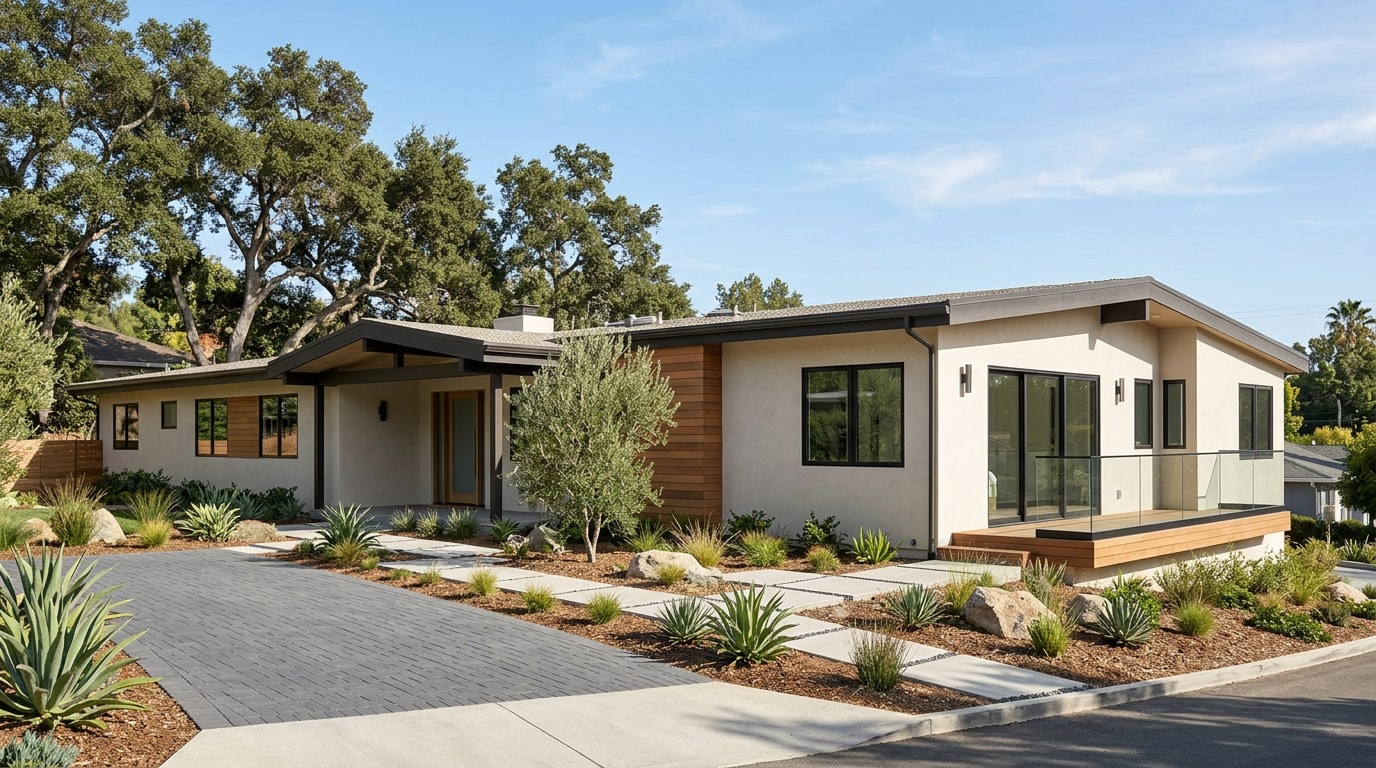
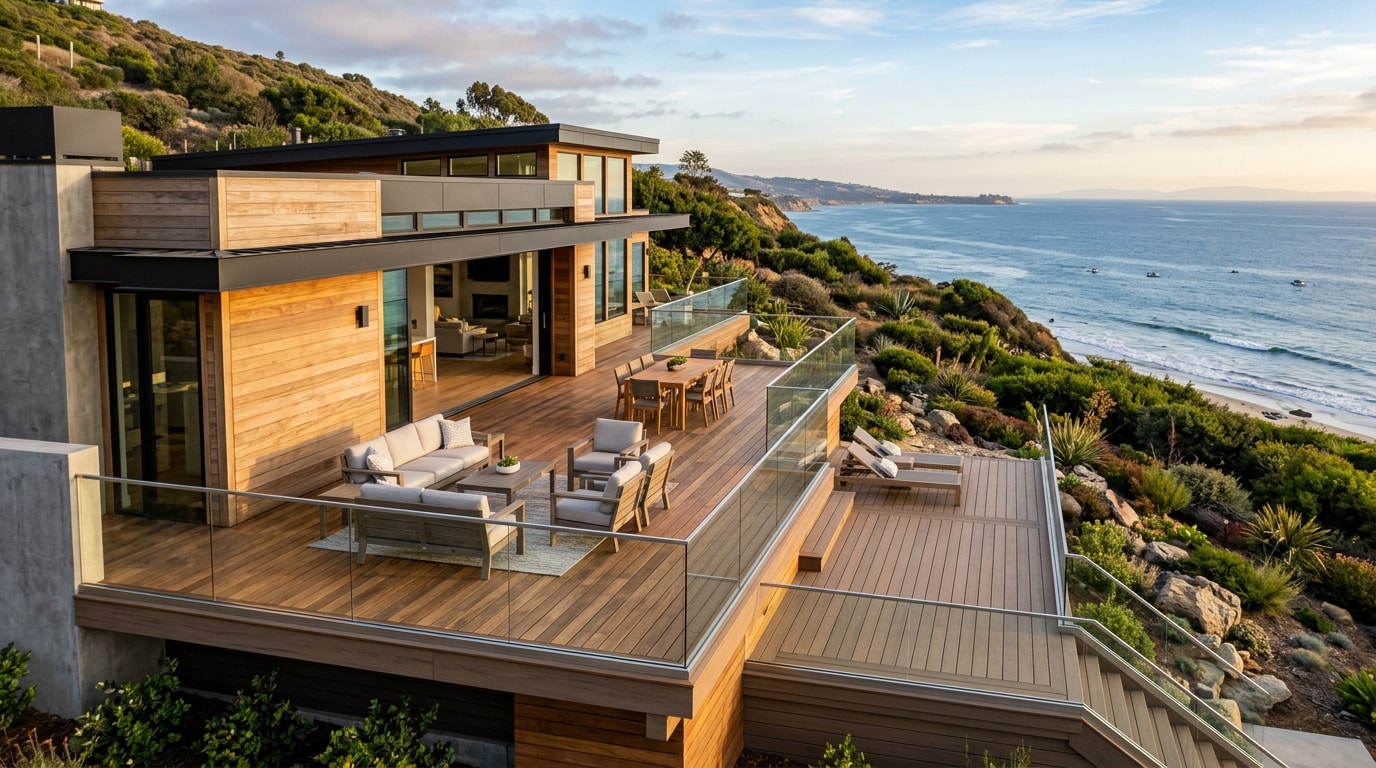
Searching for a general contractor home addition near me Malibu & The South Bay usually means one thing: you want more usable space at the house you already own, without the headache of moving. For a lot of homeowners in these two markets, that space is outdoors — a deck built for ocean views, a patio that finally makes the backyard livable, or a privacy fence that turns an exposed yard into a real extension of the house.
We build that outdoor side of the addition, from Point Dume to Redondo Beach, inside the coastal and fire-zone rules that make each city different. Below is what it actually costs in 2026, which permits apply where, and how the project runs from first sketch to final inspection.
"Near Me" Means Something Different in Malibu vs. the South Bay
A contractor who's great in Torrance can still get tripped up in Malibu, and the reverse is just as true.
Malibu sits entirely inside the California Coastal Zone and mostly inside a Very High Fire Hazard Severity Zone, so almost every exterior project runs through two separate reviews: coastal and fire. The South Bay cities — Manhattan Beach, Redondo Beach, Hermosa Beach, Torrance, Palos Verdes Estates, Rancho Palos Verdes, Gardena, Hawthorne, and Carson — skip the coastal layer entirely, but each city still runs its own plan-check queue, setback rules, and lot-coverage math.
That's why "near me" matters here more than in most categories. A contractor who knows Malibu's Local Coastal Program and a contractor who knows Torrance's lot-coverage ordinance are not always the same person.
What "Home Addition" Means for This Team
A lot of general contractor sites use "home addition" to mean a second story or a full room build-out. That's not our lane, and we'd rather tell you that up front than waste your time.
Our crews handle the carpenter and outdoor-structure side of a home addition: decks, patios, pergolas, custom structures, and the fence contractor work that finishes the property line. If your project also needs interior framing, plumbing, or a second story, we coordinate that scope with your architect or GC and build the exterior piece that ties it all together.
For most Malibu and South Bay homeowners, that's exactly what "adding space" means in practice: a deck or patio addition that adds hundreds of square feet of usable living area for a fraction of the cost of a full interior build-out, plus the fencing that makes the new space private.
Browse finished work on our projects page to see how this plays out on real Malibu and South Bay properties, or visit the homepage for a full look at how we run a project from design through final walkthrough.
Popular Addition Types We Build in Both Markets
Deck Additions for View Lots and Coastal Homes
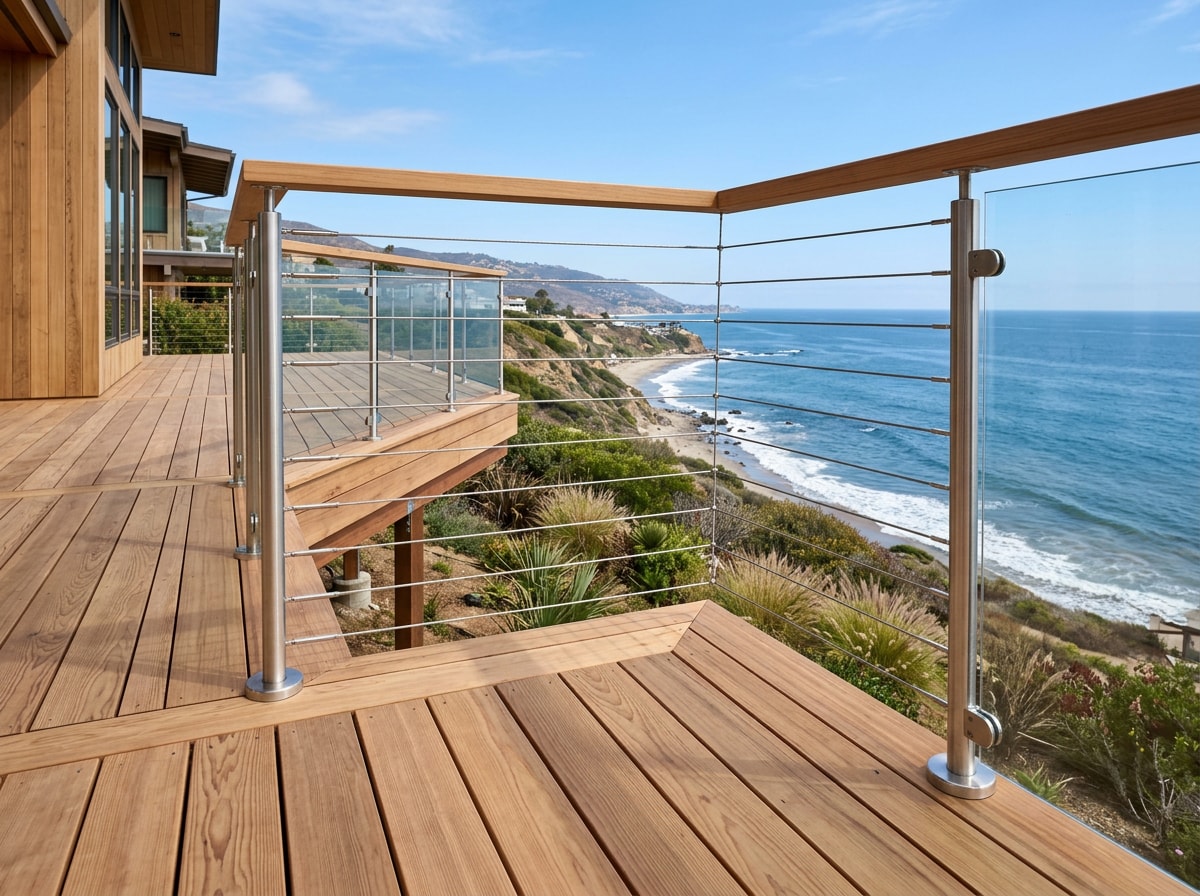
A deck addition is often the highest-value square footage you can add to a coastal property, because it captures ocean or canyon views that an interior room can't. We handle everything from custom deck construction on a new footprint to deck replacement on an aging structure, and composite deck installation for homeowners who want lower maintenance in salt air. If you already have a deck that just needs new life, a deck renovation is usually faster and cheaper than a full tear-out.
Patios & Pergolas for Year-Round Outdoor Living
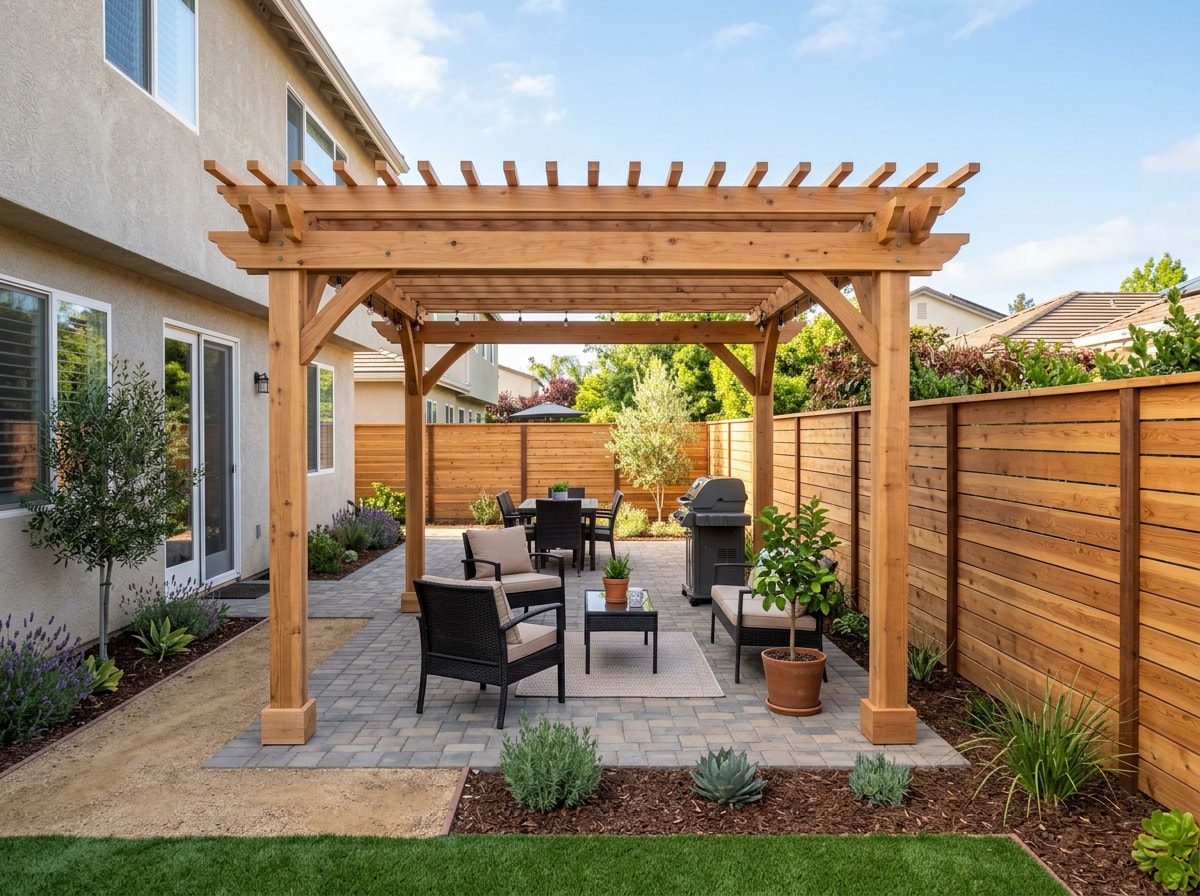
Torrance, Gardena, and inland Malibu canyon homes tend to have more usable yard space, which makes a patio or pergola addition the practical move. We build wood patio construction projects, pergola installation for shade and structure, and full custom outdoor structures when a homeowner wants something between a patio and a full room. All of it falls under general exterior woodworking, built to hold up against coastal humidity and, where required, fire-zone material rules.
Privacy Fencing to Finish the Addition
New outdoor living space rarely feels finished without privacy. We install privacy fence construction and wood fence installation as the closing piece of most deck and patio projects, especially on South Bay lots where neighbors sit close together.
Home Addition Cost Comparison: Malibu vs. the South Bay (2026)
Costs run meaningfully higher in Malibu, mostly because of Chapter 7A fire-rated materials and coastal-zone logistics, not just labor rates. These are typical 2026 ranges for outdoor additions; your actual quote depends on grade, access, and material grade.
| Addition Type | South Bay Typical Range | Malibu Typical Range |
|---|---|---|
| Pressure-treated wood deck (300–400 sq ft) | $18,000–$32,000 | $30,000–$58,000 |
| Composite deck, fire-listed (300–400 sq ft) | $30,000–$50,000 | $46,000–$85,000 |
| Paver or wood patio (400–600 sq ft) | $22,000–$45,000 | $35,000–$72,000 |
| Pergola or custom outdoor structure | $14,000–$38,000 | $22,000–$65,000 |
| Privacy fence (per linear foot, installed) | $45–$85 | $70–$130 |
The gap between columns isn't padding. Chapter 7A-compliant decking and fencing materials cost more than standard lumber, and Malibu projects often carry extra soft costs for coastal permitting and site access on hillside or bluff lots.
Want a number specific to your lot? Request a free estimate and we'll walk the site before you commit to anything.
Permits, Coastal Development & Fire Code Rules for Outdoor Additions
This is the part most homeowners underestimate, and it's where a lot of projects stall.
Coastal Development Permits: What's Exempt and What's Not
Not every backyard project in Malibu needs a full Coastal Commission review. Malibu's own Local Coastal Program exempts certain improvements to an existing single-family home from the coastal development permit requirement, including "garages, swimming pools, fences, storage sheds and landscaping."
Decks are a different story. Coastal-zone guidance generally treats any project that changes a property's footprint, height, or exterior walls — including decks — as development requiring review, since "you should expect CDP review for any project that alters height, walls, decks, drainage, impervious surfaces, or anything near the bluff or beach."
In practice: a new fence often clears faster than a new deck. Confirm exempt status with the California Coastal Commission or your Malibu planning contact before assuming either way.
Chapter 7A: What Decking and Fencing Materials Are Allowed
Malibu sits in a Very High Fire Hazard Severity Zone, which means decking and fencing materials aren't just a style choice. Standard pressure-treated lumber generally does not meet the state's ignition-resistant standard on its own, and qualifying composite products have to carry documented fire-resistance test results before they can go on a deck near the structure.
The California HCD's Wildland-Urban Interface materials directory lists approved decking products by category, and it's worth checking before you fall in love with a specific board. The CAL FIRE Office of the State Fire Marshal publishes the underlying construction standards these products are tested against.
For a plain-language breakdown of which exterior projects are exempt from Malibu's coastal permit, the City of Malibu's municipal code on development permits spells out the exemption list directly.
South Bay Permit Timelines by City
South Bay permitting skips the coastal layer, but it's not instant. Torrance, Redondo Beach, Manhattan Beach, and Gardena each run separate plan-check queues and inspection schedules, so a deck permit that takes three weeks in one city can take six in the next. Submitting early and having complete drawings on the first pass matters more than most homeowners expect.
Our Design-Build Process for Outdoor Additions
We run every project the same way: design, permit, build, walkthrough.
- Design — site visit, material selection, and drawings sized to what your city or the Coastal Commission will actually approve.
- Permit — we prepare and submit the package, and track it through plan check so you're not stuck guessing at status.
- Build — in-house crews, not rotating subcontractors, which keeps the schedule predictable from framing to final fastener.
- Walkthrough — final inspection sign-off and a punch list before we call it done.
That process is the same whether you're adding a 300-square-foot deck in Redondo Beach or a fire-code-compliant outdoor structure on a Malibu hillside lot. Get a free estimate to start with a site visit and a real number, not a guess.
FAQ
Do I need a permit to build a deck in Malibu?
In most cases, yes. Malibu's coastal-zone rules generally treat new or expanded decks as development that requires review, even though some other structures like fences and sheds are exempt. Confirm your parcel's status before finalizing a design.
Is a privacy fence exempt from Malibu's Coastal Development Permit?
Often, yes. Malibu's Local Coastal Program lists fences among the improvements to an existing single-family residence that are exempt from the standard coastal permit requirement. Exemptions can still vary by lot, so confirm with the planning department before building.
What decking material meets Chapter 7A fire code?
Standard pressure-treated lumber generally doesn't qualify on its own in Very High Fire Hazard Severity Zones. Qualifying composite decking has to carry documented fire-resistance test results, and the state's approved-products directory is the fastest way to confirm a specific product before you buy it.
Is composite decking worth it for a coastal or fire-zone home?
For most Malibu properties, yes. Composite costs more upfront than pressure-treated wood, but it's more likely to meet Chapter 7A requirements out of the box and holds up better against salt air and UV exposure over time.
How much does a deck or patio addition cost in the South Bay vs. Malibu?
South Bay projects typically run $18,000 to $50,000 depending on size and material. Malibu projects for the same footprint typically run 40% to 70% higher, mainly due to fire-rated materials and coastal-zone permitting costs.
How long does a deck or pergola addition take from design to completion?
South Bay projects without coastal review typically move from design to finished construction in 6 to 12 weeks. Malibu projects requiring coastal permit review can take several months longer before construction even starts, depending on whether the project qualifies for an exemption or administrative review.